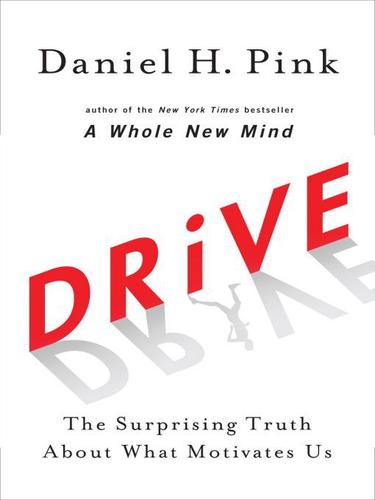
Review
Pink's argument is that the reward-and-punishment model of motivation is a poor fit for work that requires judgement, and that for anything beyond mechanical tasks it can actively reduce performance.
The three-part alternative, autonomy, mastery and purpose, has been repeated so widely that it now reads as received wisdom. Going back to the source is still worthwhile because the evidence is presented more carefully than the summary suggests, particularly the finding that contingent rewards narrow focus, which is helpful for repetitive work and harmful when the task needs peripheral vision.
The part I have used most is the distinction between autonomy over what, when, how and with whom. Organisations that say they empower teams usually mean autonomy over how, while holding the other three centrally, and naming that makes the conversation about empowerment much more concrete.
My caveat is that the book is light on what to do when the incentive structure is not yours to change, which is the situation most readers are actually in. It is diagnosis more than treatment. Still, it is short, well argued, and it explains a lot of otherwise puzzling behaviour around bonuses and targets.
Key Takeaways
The parts worth keeping:
Rewards work for some tasks and damage others
- Contingent rewards improve performance on straightforward mechanical work with a clear procedure.
- On work requiring judgement or creativity they frequently reduce performance, because they narrow attention to the reward and away from the problem.
- They also crowd out existing interest. Paying someone for something they were doing willingly can end the willingness.
The three that matter instead
| Element | What it means in practice |
|---|---|
| Autonomy | Genuine discretion over what, when, how and with whom |
| Mastery | Work that stretches, with the feedback to improve at it |
| Purpose | A reason the work matters beyond the company hitting its number |
- Most organisations offer autonomy over how and retain the other three, then wonder why empowerment initiatives feel hollow.
Pay has to be off the table
- Money is not a motivator in this model, but unfair pay is a powerful demotivator. Compensation has to be sufficient and fair enough that it stops being a topic.
- Once it is genuinely settled, the other three do the work. While it is unresolved, nothing else lands.
Goals can misfire
- Specific targets attached to rewards encourage optimising the measure, including at the expense of the thing it was meant to represent.
- The behaviour that looks like gaming the system is usually the system working exactly as designed.