Review
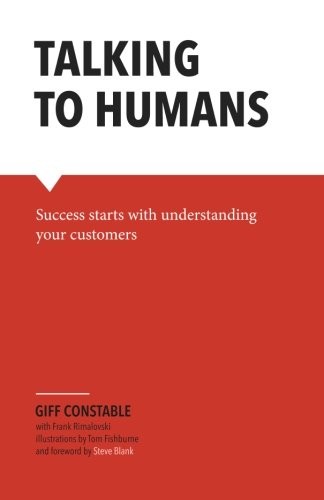
This is a very short book about customer interviews, and the brevity is the point. You can read it in an afternoon and use it the same week.
Its strength is the mechanics other discovery books skip. Not why you should talk to customers, which everyone already agrees with, but how to find people willing to talk, how to open a conversation so it doesn't turn into a pitch, and how to tell when you've heard enough.
The advice on getting past politeness is what I keep coming back to. People will tell you your idea is interesting because they're being kind. The way through is to stop asking about the idea at all and ask what they did last time they had the problem.
Read it alongside The Mom Test rather than instead of it. Fitzpatrick is sharper on why interviews go wrong; this is better on the logistics of running them. Together they're most of what you need, and both are shorter than a single chapter of the books they replace.
Key Takeaways
The parts worth keeping:
Who to talk to
- Decide the segment before you recruit. Talking to whoever will answer produces a blur of contradictory opinions and the comforting sense that you did research.
- Recruiting is a numbers exercise, not a favour. Expect to ask far more people than agree, and make the ask a routine rather than a campaign.
- Talk to people who have the problem, not people who like you. Friends are the worst possible sample and the easiest one to reach.
How to ask
| Instead of | Ask |
|---|---|
| Would you use something that did this? | Tell me about the last time you dealt with this. |
| Do you think this is a good idea? | What did you try, and what happened? |
| How much would you pay for it? | What are you spending on it today, in money or time? |
- Every useful question is about the past. Hypotheticals produce answers people invent on the spot and then forget.
- Don't pitch. The moment you describe your solution the interview becomes a politeness test and the data is gone.
Knowing when to stop
- Stop when new conversations stop surprising you. If you can predict the answers before they arrive, the segment has told you what it knows.
- Write up each conversation immediately. The memory of what someone actually said decays into what you hoped they said within about a day.
- A handful of well-run conversations beats a large survey when you're still working out what question to ask.