Review
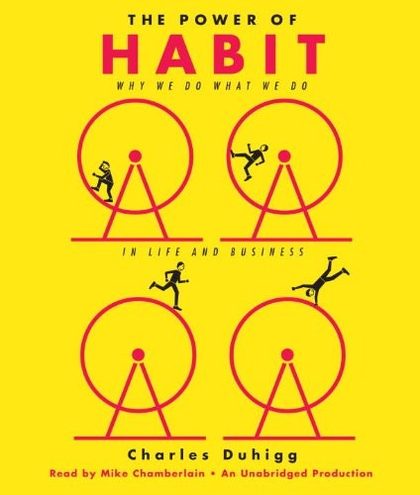
Duhigg's book explains habits as a loop of cue, routine and reward, and then applies the same structure to individuals, organisations and societies, with diminishing returns as the scope widens.
The individual material is the strongest. The loop is a genuinely useful model, and the specific insight that you cannot delete a habit but can substitute a different routine for the same cue and reward is the practical core of the book. It reframes habit change from willpower, which is unreliable, to design, which is not.
I read it partly because it is upstream of a lot of product thinking about engagement, and the connection is direct. Anyone who has read Eyal's Hooked will recognise the machinery. That is worth noticing for its own reasons: the same model that helps someone build a running habit is the one used to make a product hard to put down, and the book is not especially troubled by the distinction.
The organisational chapters stretch the idea further than it comfortably goes, and the societal ones further still. Read the first section properly and treat the rest as journalism.
Key Takeaways
The parts worth keeping:
The loop
| Stage | What it is |
|---|---|
| Cue | The trigger: a time, place, mood, person or preceding action |
| Routine | The behaviour itself, which is the part people focus on |
| Reward | What the brain actually gets, which is often not the obvious thing |
- Craving is what turns the loop into a habit. Once the cue produces anticipation of the reward, the behaviour runs with very little deliberation.
Substitute, do not delete
- You cannot remove an established loop. You can keep the cue and the reward and put a different routine between them.
- This makes change a design problem rather than a willpower problem, which matters because willpower is not reliably available when the cue arrives.
- Identifying the real reward takes experimentation. People are usually wrong about what they are getting from a habit.
Keystone habits
- Some habits pull others along with them, changing behaviour in areas that appear unrelated.
- They are worth finding because the leverage is disproportionate, though which ones qualify is clearer in hindsight than in advance.
The uncomfortable overlap
- The same mechanism that helps someone build a useful routine is what makes a product difficult to stop using.
- Knowing the model makes it harder to claim ignorance about which one you are building.